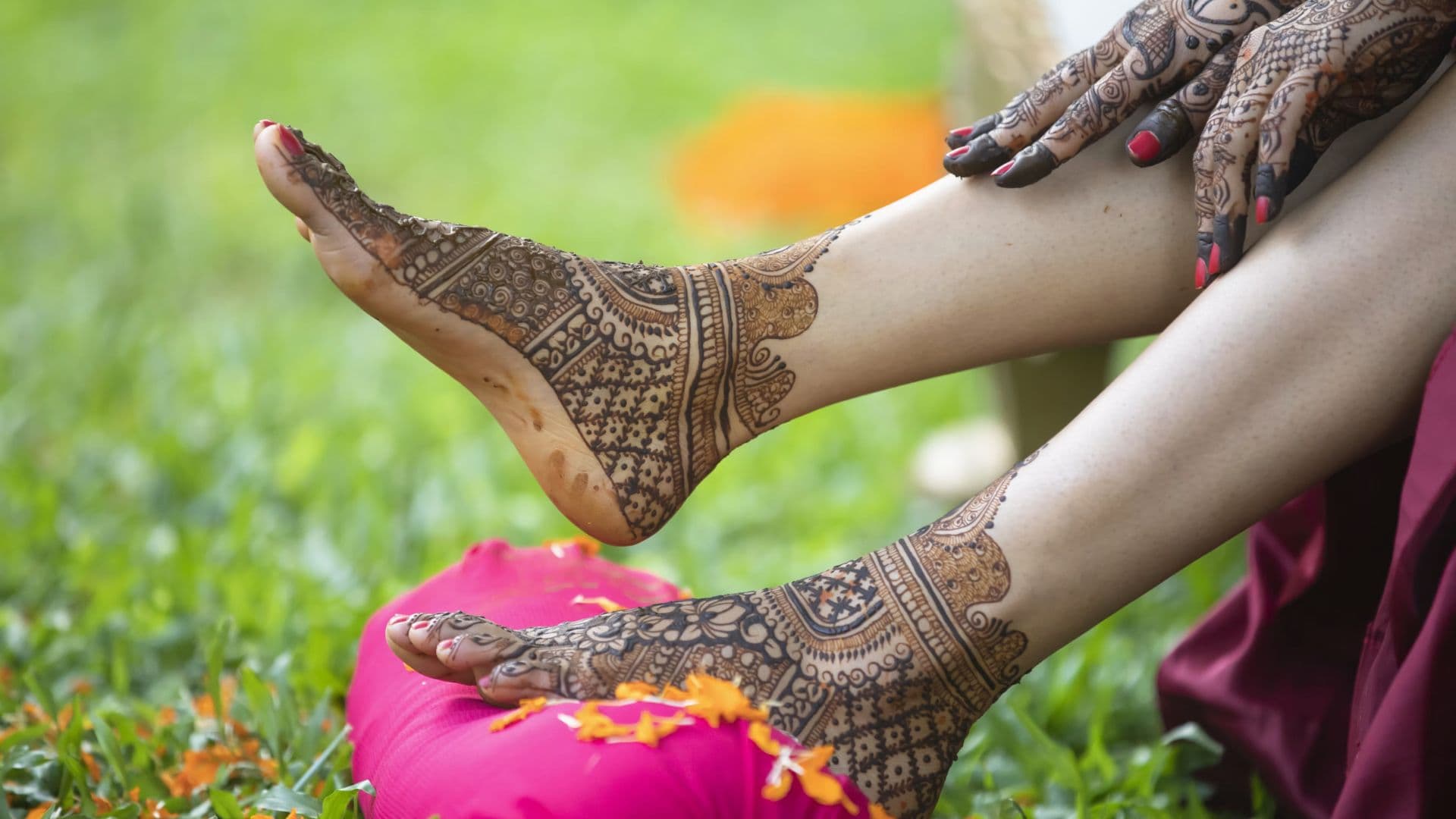
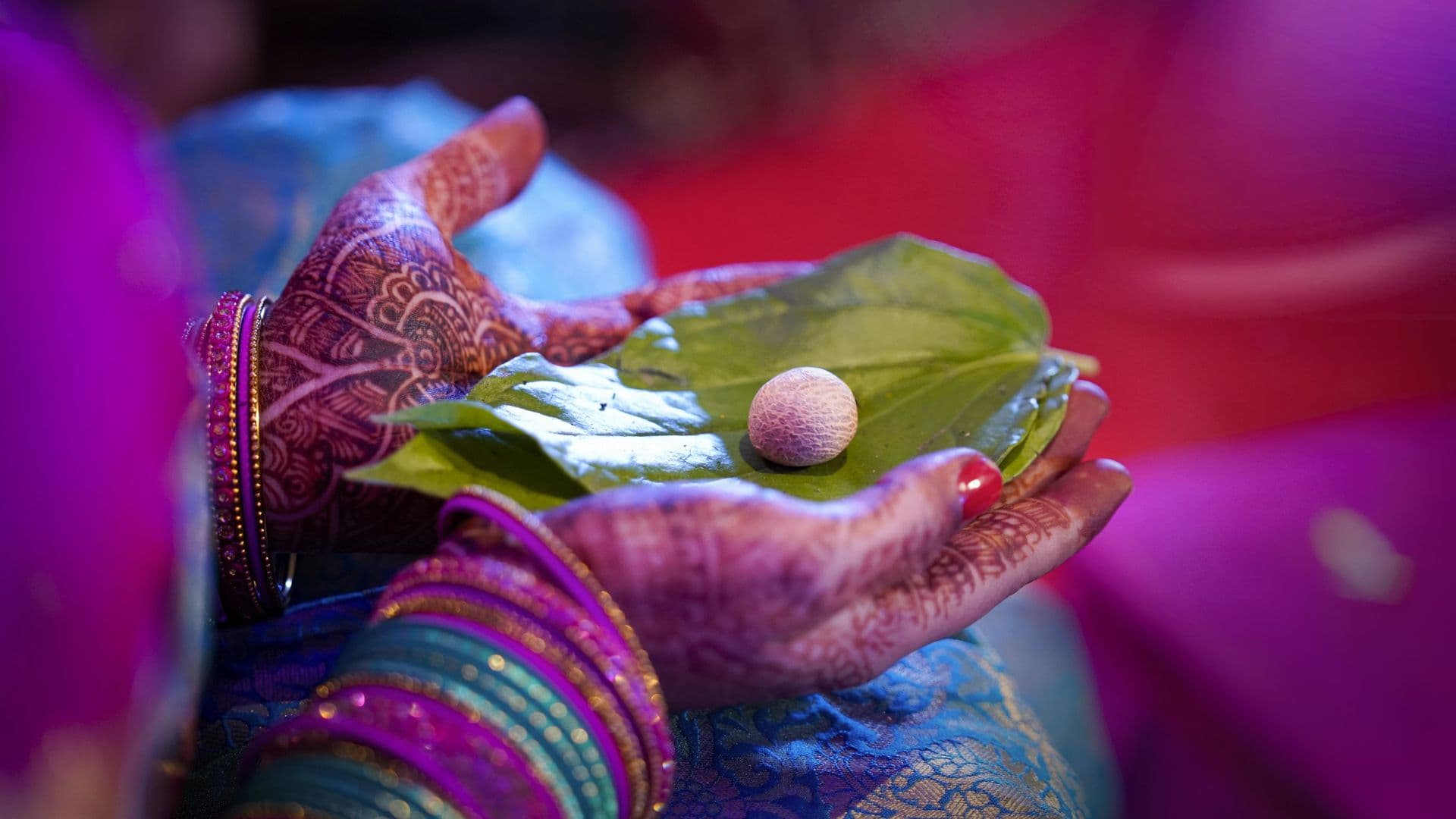
Mehndi isn't just henna on skin - it's the first chapter of your wedding story. And in 2026, brides across India are rewriting that chapter with designs that are deeply personal, visually stunning, and perfectly aligned with their overall wedding aesthetic. Whether you're planning a royal affair in Udaipur or an intimate celebration in a Gurgaon farmhouse, your mehndi sets the tone for everything that follows - including your digital invitation.
At NIMNTRN, we've noticed something beautiful: brides who invest in personalized mehndi designs often want their digital invitations to carry the same energy. The same mandala on your palm can become the motif on your cinematic invitation website. The same color story - deep mahogany against gold - can flow from your hands to your guests' phone screens.
Here's our guide to the bridal mehndi design trends that are defining the 2026 wedding season, and how each one can inspire your entire wedding identity.
How Bridal Mehndi Has Evolved
Mehndi has been woven into Indian culture for over five thousand years. But the way brides wear it has transformed dramatically.
In ancient times, it wasn't about intricate patterns at all. Brides applied a simple circle - a "Gola" - in the center of their palm and capped their fingertips. It was practical, meant for the cooling properties of henna in desert heat. Interestingly, this minimalist look is making a comeback in 2026 under the "Vintage Minimalist" trend.
Then came the era of regional classics. Rajasthani designs brought dense, mirror-image symmetry inspired by palace architecture. Arabic mehndi introduced bold flowing florals with generous negative space. The 90s and early 2000s went the opposite direction - zero skin visible, ultra-fine lines covering everything up to the elbows.
Today? It's all about intention. Brides aren't filling space anymore. They're telling stories.
1. Personalized Storytelling Mehndi
This is the defining trend of 2026. Brides are moving beyond generic paisleys and requesting "hidden stories" woven into their designs - small caricatures of the couple, the date they first met, a tiny replica of the proposal scene, even a paw print of their pet.
The beauty of storytelling mehndi is that it turns your hands into a narrative. And that narrative doesn't have to stop at your skin. At NIMNTRN, we've seen brides take their mehndi motifs and weave them into their digital invitation design - the same couple illustration from the palm becomes the hero graphic on their wedding website. It creates a cohesive visual identity that guests notice and remember.
2. Modern Mandala Designs
After years of full-coverage maximalism, the central mandala is back - but with a contemporary twist. A perfectly symmetrical, intricate circle sits in the middle of the palm, surrounded by extremely delicate lace-work on the fingers. The wrist stays bare like a "cuff" to let bridal bangles or chooda take center stage.
This design pairs beautifully with minimalist invitation aesthetics. If your mehndi is clean and geometric, your digital invitation can mirror that energy - think structured layouts, circular motifs, and plenty of breathing room in the design.
3. Rajasthani Jharokha Architecture
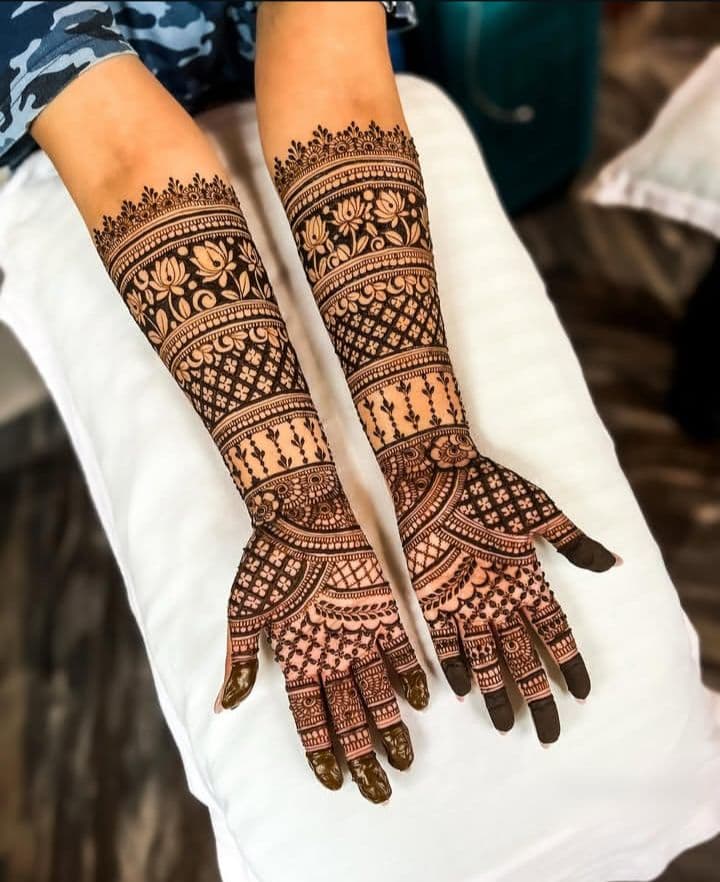
Inspired by the palaces of Udaipur and Jaipur, Jharokha mehndi mimics the ornate windows and arches of Indian architecture. Structured lines that look like temple carvings, filled with tiny lotuses and hanging lamp (Jhumka) motifs. This design works best on the back of the hand, where the structured lines follow the bone structure for a regal effect.
If you're having a destination wedding at a heritage property, this mehndi style and a NIMNTRN invitation template with architectural elements create a stunning visual thread from invite to ceremony.
4. 3D Shaded Florals
Artists are now using variable pressure techniques to create light and dark shading within the same design. Instead of flat lines, you get roses and lotuses that appear three-dimensional - the outer petals thick and dark, the inside light and "dusty," making the flower pop in photographs.
This trend is particularly photogenic, which matters when your guests are sharing your mehndi photos in the NIMNTRN shared gallery. The 3D effect translates beautifully to screens, making your mehndi ceremony content some of the most-saved media in your wedding vault.
5. Crystal and Stone-Studded Mehndi
Why leave the centers of your floral motifs empty when you can place a Swarovski crystal there? Artists are now embedding small stones over the dried henna design, adding a physical sparkle dimension to the flat stain. A 3D-shaded rose with a single glistening crystal at its heart is the kind of detail that stops people mid-scroll.
Match the stone colors to your lehenga to tie your entire look together. And when you share these close-up shots through your NIMNTRN invitation's photo gallery, the sparkle translates even through a phone screen.
6. White Henna for Fusion Ceremonies
Traditional red-brown henna remains the standard, but 2026 has seen a surge in white mehndi - a body-safe waterproof adhesive or ink that creates a stark, lace-like contrast against the skin. It doesn't stain but sits on top for two to three days, creating a bright white delicate pattern that looks like a permanent lace glove.
This is perfect for modern brides wearing white or pastel gowns for fusion ceremonies. It looks incredible when accented with tiny silver crystals or pearls. If you're going the fusion route, your NIMNTRN invitation can carry the same white-on-dark aesthetic - think ivory typography on deep backgrounds, mirroring the white henna contrast.
7. Jewelry-Inspired Hathphool Style
Many 2026 brides are letting their mehndi replace heavy hand jewelry entirely. The Hathphool style focuses on the back of the hand, mimicking traditional Indian ornaments - a central "pendant" connected to the fingers by delicate dotted chains (Zanjeer), leaving most of the palm bare or very simple.
Choose this if you want to wear a statement ring or watch on your wedding day without your hands looking "too busy." The clean elegance of this style pairs naturally with NIMNTRN's minimalist invitation templates.
8. Reverse-Fill Meenakari Technique
For brides who want bold, high-impact mehndi, the Meenakari technique delivers. Inspired by the enamel work found in royal Indian jewelry, the artist draws the outline of a large flower and then fills in the background with solid henna. When the paste is removed, the design remains light while the surrounding skin is dark - creating a dramatic negative-space effect.
This technique produces a rich, deep mahogany stain that photographs beautifully. Use it for the central part of your forearm where it creates a 3D effect in photos that your guests will be uploading to your NIMNTRN memory vault all evening.
Pro Tips for the 2026 Bride
Book Early, Not Last-Minute: Schedule your mehndi artist two to three days before the main ceremony. This gives the stain a full 48 hours to develop from orange to deep mahogany.
Double Application for Depth: Ask your artist for a "double application" - going over the main motifs twice ensures the core design is darker than the surrounding jaali work.
Symmetry Check: For traditional Rajasthani designs, have the artist start both hands simultaneously to maintain perfect mirror symmetry.
Organic Only: Always insist on fresh, chemical-free henna. Instant cones containing PPD can cause burns and allergic reactions. Do a patch test a few days before.
The Clove Steam Trick: Heat cloves on a pan and hold your hands over the fumes. The natural essential oils help develop a richer mahogany stain. Follow up by applying balm and wrapping your hands in cotton gloves overnight to keep the oxidation process going.
Avoid Water: Keep your hands away from water for at least 24 hours after application. If you must touch water, coat your hands in mustard oil or coconut oil first - it acts like a protective barrier for the stain.
Your Mehndi, Your Invitation, Your Story
Here's what we've learned from working with hundreds of couples at NIMNTRN: the brides who think about their wedding as a cohesive visual story - from mehndi to invitation to venue decor - create the most memorable celebrations.
Your mehndi design can become the seed of your entire wedding identity. For more inspiration, explore the top wedding invitation design trends of 2026. The mandala on your palm can appear on your digital invitation. The color palette of your henna ceremony - deep reds, golds, greens - can flow into your cinematic invitation website. The storytelling elements hidden in your mehndi can be echoed in the "Our Story" section of your NIMNTRN invitation.
When your guests open your digital invitation and then see the same visual language on your hands at the mehndi ceremony, that's when the magic happens. That's when your wedding stops being a series of events and becomes a single, beautiful, immersive experience.
Ready to create a digital invitation that matches the artistry of your mehndi? Explore NIMNTRN's cinematic templates and start building your wedding story today.